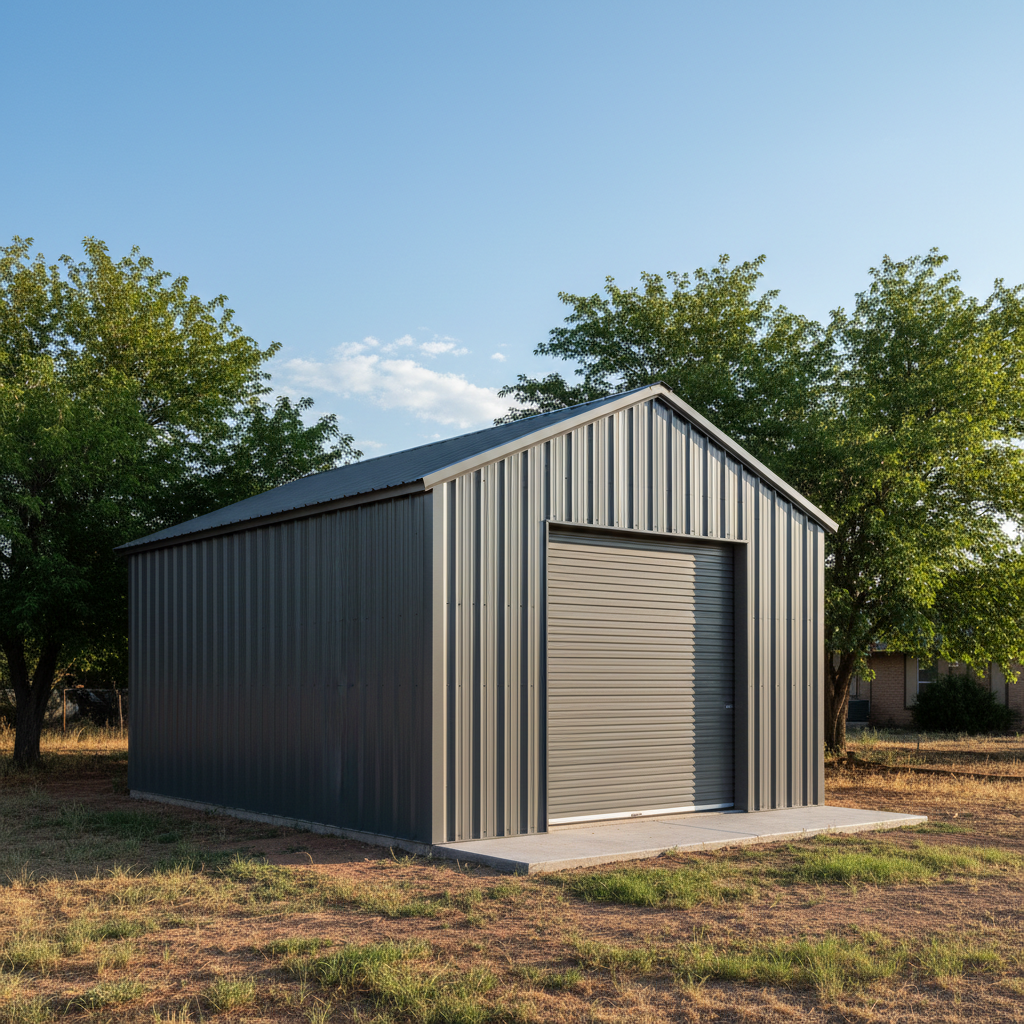
So, you're thinking about putting up a metal building here in Snowflake, huh? Good idea. They're tough, they last forever, and honestly, they just make sense for our climate. But one of the first questions everybody asks is, "What's this going to cost me?" That's a fair question, and frankly, a lot of companies out there aren't very upfront about it. I'm going to lay it all out for you, based on what I've seen and done right here in Navajo County.
What Really Makes the Price Go Up (or Down)
You might think it's just the building's size, but there's a lot more to it than that. Here's what we look at when we're putting together a quote:
Building Size and Complexity: This one's pretty obvious, right? A simple 30x40 foot rectangle will cost less than a 60x100 foot building with multiple bays, lean-tos, and a complicated roofline. Taller buildings also use more steel and take longer to put up, so they end up costing more per square foot.
Foundation Type: This is a big deal. Are we pouring a full concrete slab? Or just footings and a stem wall? Maybe a pier system for a smaller structure? Our ground here around Snowflake, especially in some of those older subdivisions like the Ranch of the Saints, can be a mix of caliche and softer soil. Sometimes you need a stronger foundation than you'd expect, which definitely adds to the cost. A 4-inch concrete slab for a 40x60 building, for example, might run you anywhere from $8,000 to $15,000, depending on the rebar, thickness, and how much site prep is needed.
Site Preparation: Is your land flat and clear, or do we need to do a bunch of grading, excavation, and brush clearing? If we have to bring in fill dirt or remove a lot of rock, that's going to add to the bill. Expect to pay anywhere from a few hundred bucks for minor leveling to several thousand for significant earthwork.
Building Features & Accessories: Every door, window, skylight, ventilation system, and insulation package adds to the cost. A standard 10x10 roll-up door might be $1,000-$1,500 installed, while a heavy-duty commercial door could be $3,000+. Insulation can add $1.50-$3.00 per square foot, but it's often worth it for our hot summers and cold winters, don't you think?
Permits and Engineering: Don't forget these. Navajo County has its own rules, and you'll need engineered plans for most structures. Permits alone can be a few hundred to over a thousand dollars, depending on the project's scope.
Typical Cost Ranges for Installation (No Surprises)
Alright, let's talk real numbers for just the building kit and its setup, assuming a decent foundation is already there. These are rough estimates, but they'll give you a ballpark:
Small to Medium (20x30 to 30x50 feet): You're generally looking at $15,000 to $35,000 for the kit and installation. This would cover a decent two-car garage or a workshop. Per square foot, this might be $10-$20.
Medium to Large (40x60 to 50x100 feet): For a bigger shop, storage facility, or even a small commercial space, expect to pay $35,000 to $80,000 for the kit and erection. The per square foot cost tends to drop a bit here, maybe $8-$15.
Very Large or Complex (over 5,000 sq ft): Once you get into really big buildings, agricultural structures, or custom designs, the price can easily go over $100,000. Per square foot can be as low as $6-$12, but the total sum is much higher.
Remember, these numbers don't include the foundation, site work, or any interior finishing like electrical, plumbing, or drywall. That's a whole other ballgame.
What Should Be in Your Quote?
When Metal Buildings of Snowflake gives you a quote, or when you're comparing bids, make sure it's clear what's included. A good quote should itemize:
The metal building kit itself (all steel components, panels, fasteners).
Delivery to your site.
Erection of the steel frame and exterior panels (walls and roof).
Any specified doors, windows, and trim.
A breakdown of labor costs.
A clear timeline for completion.
If it's not on the quote, assume it's not included. Always ask for clarification.
How to Avoid Overpaying
Nobody wants to get fleeced. Here's my advice:
Get Multiple Bids: Don't just go with the first guy. Get at least three detailed quotes. This helps you compare not just price, but also what each contractor is offering.
Be Specific About Your Needs: The more details you can give upfront, the more accurate your quote will be. Know your dimensions, door sizes, window placements, and any special requirements.
Check References and Licenses: This is huge. Make sure your contractor is licensed and insured. Ask for examples of their work and talk to past clients. A good reputation is earned, especially in a tight-knit community like ours.
Understand the Contract: Read every word. Know what's included, what's excluded, the payment schedule, and the warranty. Don't be afraid to ask questions.
Don't Chase the Lowest Bid Blindly: Sometimes, a super low price means corners are being cut, or they've left out crucial parts of the job that will become