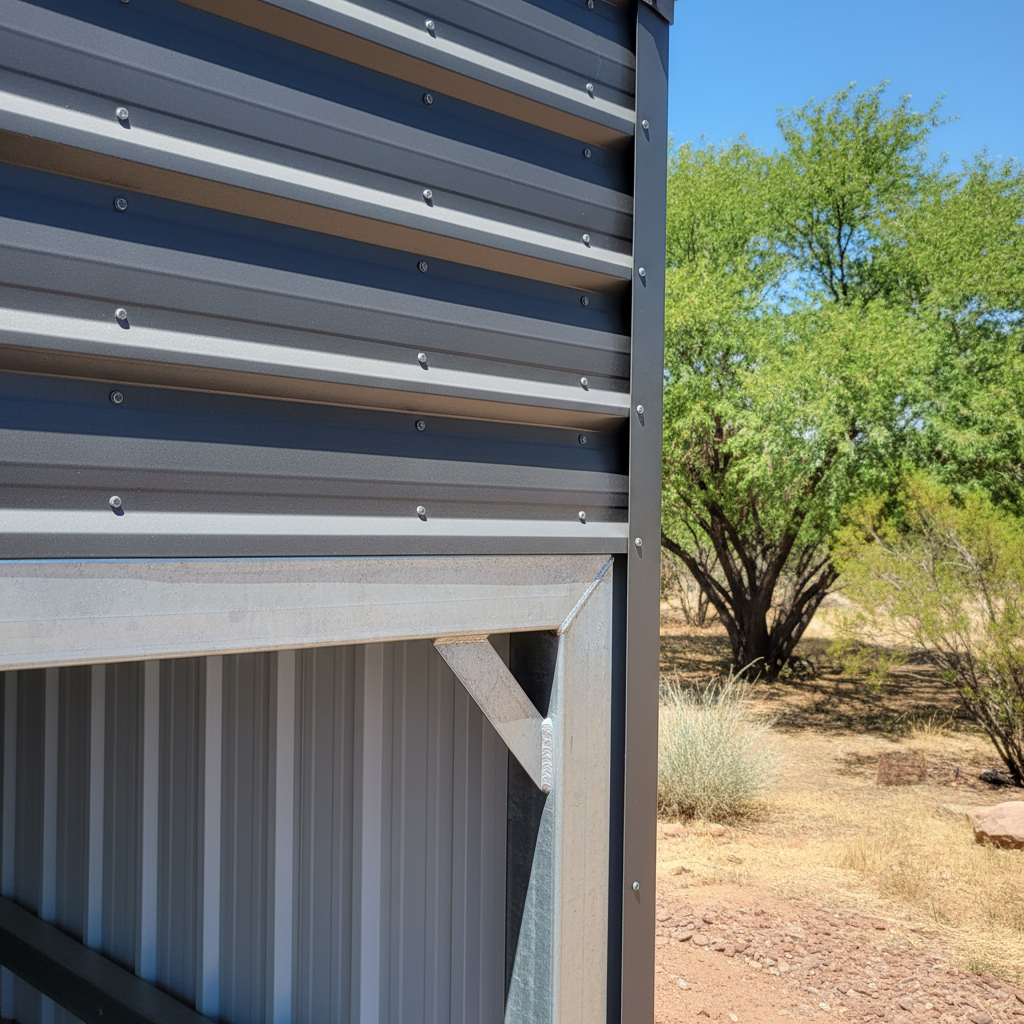
So, you're thinking about putting up a metal frame garage, huh? Good idea. Around Snowflake, we see all kinds of weather — from those heavy winter snows that pile up on roofs to the intense summer sun that bakes everything. A well-built metal garage can handle it all, and it's a solid investment for protecting your vehicles, tools, or whatever else you need to store.
Before You Break Ground: The Planning Stage
This is probably the most important part, and it's where you can save yourself a lot of headaches and money down the road. Don't skip these steps.
Permits, Permits, Permits: First thing's first, you need to check with Navajo County and the Town of Snowflake about building permits. You can't just throw up a structure without approval. They'll want to see plans, site surveys, and make sure you're meeting local zoning requirements. This isn't a DIY job; you'll need to submit proper drawings and applications. If you're not comfortable with blueprints and regulations, a good contractor or even the company supplying your metal building kit can often help you navigate this.
Foundation Matters: A metal building is only as good as its foundation. For most garages, you're looking at a concrete slab. Now, you *could* pour a small slab yourself if you're experienced with concrete work, have the right tools, and know how to properly prepare the subgrade, install rebar, and get the right slope for drainage. But for a garage-sized slab, especially with our clay-heavy soil around Snowflake that can shift, I always recommend a professional. They'll ensure it's level, strong enough to support the structure, and has the proper footings to prevent settling or cracking. A bad foundation means a bad building, no matter how good the frame is.
Kit Selection: You've got options. Prefabricated metal building kits come in all shapes and sizes. Think about what you'll use the garage for. Just parking a car? Storing an RV? Setting up a workshop? That'll dictate the size and features you need, like roll-up doors, windows, and insulation. Metal Buildings of Snowflake can walk you through the different options and help you pick the right kit for your needs and budget.
Site Prep: Even if you're not pouring the concrete yourself, you'll need a clear, level area. This means clearing brush, removing rocks, and grading the site. You can definitely do this yourself with some heavy equipment (rented or owned) if you're comfortable operating it. Just make sure the site is properly compacted and ready for the foundation crew.
During Construction: Putting it All Together
Once you have your permits and your foundation is curing, it's time to erect the frame. This is where the DIY vs. Pro question gets interesting.
Erecting the Frame: Many metal building kits are designed for DIY assembly. If you're handy, have a few strong friends or family members, and can follow instructions meticulously, you can absolutely put up the frame yourself. You'll need some basic tools, ladders, and possibly a lift or crane for larger pieces. Safety is paramount here — these are heavy steel components. Don't cut corners. If you're not confident, or if the building is particularly large or complex, hiring a professional erection crew is a smart move. They've got the experience, the equipment, and the insurance.
Walls and Roof: Attaching the metal panels for the walls and roof is generally a straightforward process. It's repetitive, but it needs to be done right to ensure weather-tightness. This is another task many homeowners can tackle. Just make sure you're overlapping panels correctly and using the right fasteners to prevent leaks. Pay extra attention to sealing around doors and windows.
Doors and Windows: Installing the garage doors, man doors, and windows usually comes with detailed instructions from the manufacturer. It's a job you can do yourself, but take your time. Proper installation ensures they operate smoothly and seal well against the elements.
Electrical and Plumbing: Unless you're a licensed electrician or plumber, this is NOT a DIY job. Seriously. For your safety and to meet code, you need professionals for any electrical wiring, lighting, outlets, or plumbing you want in your garage. They'll ensure everything is up to code and safe.
After It's Built: Maintenance and Enjoyment
Congratulations, you've got a new metal garage! Now, what?
Insulation: If you plan on spending a lot of time in your garage, especially during our cold Snowflake winters or hot summers, insulation is key. You can install insulation yourself — typically batt insulation between the girts or purlins, or rigid foam panels. Just make sure to get the right R-value for our climate and consider a vapor barrier.
Interior Finishing: Want to finish out the interior with drywall or plywood? That's a great DIY project. It's mostly cosmetic, but it can make the space much more comfortable and functional. Just remember to account for any electrical outlets or switches you had installed.
Regular Checks: Metal buildings are pretty low maintenance, but it's still a good idea to do an annual check. Look for any loose fasteners, signs of rust (though modern metal buildings are very resistant), or damage to the roof or walls. Clear any debris from the roof, especially after our windy days or heavy snowfalls. Keeping an eye on things will catch small problems before they become big ones.
Building a metal frame garage can be a rewarding project, and you can definitely save money by doing some of the work yourself. Just know your limits, don't be afraid to call in the pros for the critical stuff, and always prioritize safety. You'll end up with a durable, functional building that'll serve you well for decades.